
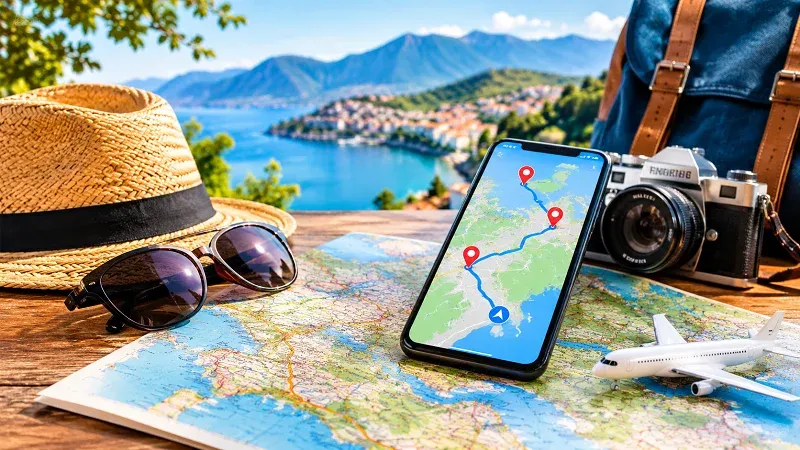
Traveling to a new destination should feel exciting, not overwhelming. Yet unfamiliar streets, scattered recommendations, and complicated itineraries can turn a dream trip into a stressful experience. Map guides TTweakMaps by TravelTweaks offer a practical approach to organizing travel information, discovering interesting places, and planning journeys with greater confidence.
Rather than treating maps as simple navigation tools, travelers can use map guides to connect destinations, organize activities, and make informed decisions before leaving home. Whether you are planning a weekend city break, a family vacation, or a scenic road trip, understanding how map-based travel planning works can help you make better use of your time.
Understanding Map Guides TTweakMaps
A travel map guide combines geographic information with practical destination details. It can help travelers identify attractions, understand the relationships between locations, and organize stops into a manageable itinerary.
The concept behind map guides TTweakMaps by TravelTweaks is to make travel planning more visual and accessible. Instead of keeping addresses in separate notes or switching between multiple resources, travelers can organize their destinations around a map.
TravelTweaks describes its mapping approach as a way to support personalized exploration and more organized journeys. However, specific features and availability should always be verified through the official service before relying on them.
A useful map guide does more than display locations. It provides context that helps travelers decide where to go and how to get there.
For example, a traveler visiting Paris might mark museums, cafés, parks, and accommodation on one map. Seeing these places together makes it easier to group nearby attractions and avoid unnecessary journeys across the city.
Map guides can also support different travel styles. History enthusiasts may prioritize landmarks and museums, while outdoor travelers may focus on hiking trails, viewpoints, and natural attractions.
How TTweakMaps Fits Into Travel Planning
TTweakMaps is associated with TravelTweaks travel-planning content and map-based exploration. Its central idea is to help users organize destinations and make travel information easier to understand.
Travelers should distinguish between curated planning resources and live navigation applications. A map guide can help determine which places deserve a visit, while a navigation app can provide turn-by-turn directions and current traffic information.
Using these tools together creates a more flexible travel-planning process.
Key Benefits of Travel Map Guides
Discovering Local Attractions
One major advantage of map-based planning is the ability to discover attractions beyond the most famous tourist destinations.
A traveler researching Rome, for instance, might initially focus on the Colosseum and Vatican Museums. A broader map view could reveal nearby gardens, neighborhood markets, smaller museums, and less crowded walking routes.
Exploring these additional options can make a trip feel more personal. Instead of following a rigid checklist, travelers can build an itinerary around their interests and available time.
Creating Personalized Routes
Travel map guides can help organize destinations according to location, transportation needs, and personal priorities.
A family traveling with children might group playgrounds, restaurants, and family-friendly attractions into one daily route. A solo traveler could organize a walking tour around architecture, local food, and cultural landmarks.
The goal is not to visit every marked location. It is to create a realistic plan that leaves enough time to enjoy each experience.
How to Use Map Guides Effectively
Planning Your Itinerary
Start by identifying your destination, travel dates, and main interests. Add essential locations such as accommodation, transportation hubs, and attractions you definitely want to visit.
Next, examine the distances between these places. Group nearby destinations together and avoid scheduling activities that require excessive travel in a single day.
When using map guides TTweakMaps by TravelTweaks, treat the map as a planning framework rather than a fixed schedule. Leave room for unexpected discoveries, weather changes, and delays.
Organizing Stops and Activities
Clear organization makes a travel map easier to use. Consider separating destinations into categories such as:
- Accommodation and transportation
- Restaurants and cafés
- Attractions and cultural sites
- Outdoor activities and scenic viewpoints
If your mapping tool supports custom labels or layers, use them to distinguish essential stops from optional activities. Keep notes short and practical, including useful details such as ticket requirements, estimated visit duration, or nearby facilities.
Preparing for Offline Navigation
Internet access can become unreliable in rural areas, underground transportation systems, or international destinations where mobile data is expensive.
Before traveling, check whether your mapping application supports offline maps or downloadable information. Save important addresses and confirm that you can access essential details without a connection.
Remember that downloaded maps may not include live traffic, updated opening hours, or current transportation disruptions. Verify important information before departure.
Practical Tips for Better Travel Planning
Verify Locations and Opening Hours
Map information can become outdated. Businesses relocate, attractions change their schedules, and transportation services may operate differently during holidays.
Before visiting an important destination, check its official website or contact the venue directly. Confirm opening hours, admission requirements, and any reservation restrictions.
For international travel, review local transportation guidance and official travel advisories as well.
Balance Planning With Spontaneity
A carefully organized itinerary can save time, but overplanning can make travel feel like work.
Choose a few priority activities for each day and leave open periods for exploration. If you discover an appealing market or quiet neighborhood along the way, give yourself permission to change direction.
The best map guide supports your decisions without controlling every moment of your journey.
Challenges and Limitations
Connectivity and Data Accuracy
Digital mapping tools depend on information that may not always be complete or current. GPS signals can weaken indoors, mobile data may be unavailable, and mapped routes may overlook local restrictions.
Use map information alongside road signs, official transportation updates, and local advice. For remote destinations, research route conditions and safety requirements before setting out.
Privacy and Location Sharing
Travel maps sometimes contain sensitive details, including accommodation addresses and personal travel schedules.
Review sharing permissions before distributing a map. Use private or view-only settings when appropriate, and avoid publishing information that could compromise your safety.
A thoughtful approach to privacy allows you to enjoy the convenience of digital planning while keeping personal information protected.
Conclusion
Map guides TTweakMaps by TravelTweaks represent a practical way to approach travel planning through organized, map-based exploration. By grouping destinations, researching local attractions, and preparing realistic routes, travelers can reduce confusion and make better use of their time.
The most effective approach combines thoughtful preparation with flexibility. Use map guides to plan your journey, verify important details with reliable sources, and rely on appropriate navigation tools while traveling. With a clear plan and room for discovery, your next trip can become more enjoyable, efficient, and memorable.